
Dates: The Ancient Superfood of the Desert

Updated: Jun 5

How a humble desert fruit nourished civilizations, inspired traditions, and became one of the world's oldest superfoods.
For thousands of years, across the vast deserts of the Middle East and North Africa, one fruit has stood as a symbol of life, hospitality, and nourishment: the date.
Long before modern nutritionists coined the term "superfood," dates were sustaining travelers, traders, and entire communities in some of the world's harshest environments. Today, they remain an essential part of Middle Eastern culture and continue to be enjoyed by millions around the globe.
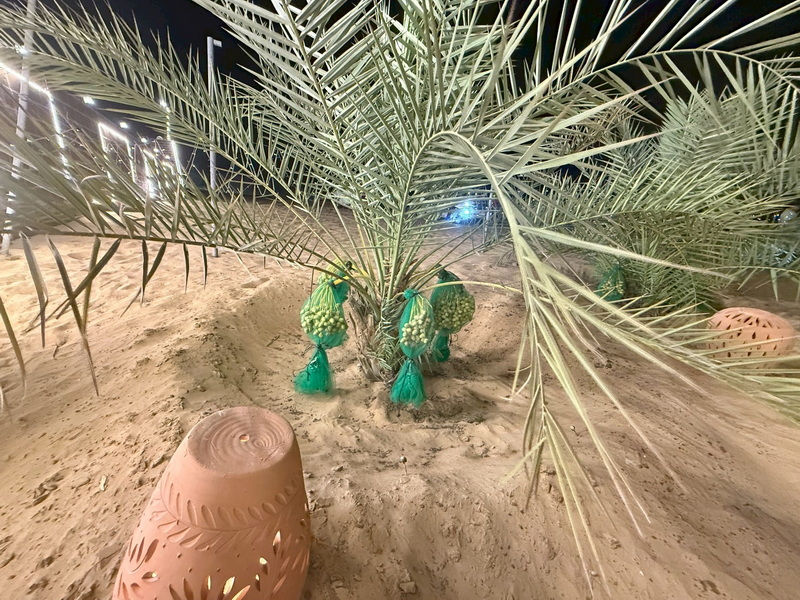
A Fruit Rooted in History
Date palms have been cultivated for over 6,000 years and are among the oldest cultivated trees in human history. Ancient civilizations in Mesopotamia, Egypt, and the Arabian Peninsula relied on dates as a valuable source of energy and nutrition.
In regions where fresh food was scarce and the desert climate was unforgiving, dates provided a reliable and long-lasting food source. Their natural sweetness, rich flavor, and ability to be stored for extended periods made them indispensable for merchants traveling along ancient trade routes.

Nature's Energy Bar
What makes dates so remarkable?
Despite their small size, dates are packed with nutrients, including:
Natural sugars for quick energy
Dietary fiber
Potassium
Magnesium
Antioxidants
Vitamins and minerals
For centuries, desert travelers carried dates because they provided a concentrated source of energy that required no preparation. Even today, many athletes and health-conscious consumers enjoy dates as a natural alternative to processed snacks.
It's no surprise that dates are often referred to as one of nature's original energy foods.

More Than Food: A Cultural Tradition
In Middle Eastern culture, dates represent far more than nutrition.
Offering dates to guests is a traditional gesture of welcome and respect. Whether visiting a family home, attending a business meeting, or gathering for a celebration, guests are often greeted with dates and Arabic coffee.
This simple act reflects a deeply rooted belief in generosity and hospitality—values that have shaped Middle Eastern societies for generations.

The Sacred Role of Dates During Ramadan

One of the most meaningful traditions involving dates occurs during Ramadan, the holy month observed by Muslims around the world.
At sunset, many people traditionally break their daily fast by eating dates before enjoying a larger meal. This practice follows a centuries-old tradition and provides a quick source of energy after a long day without food or drink.
During Ramadan, dates become more than a fruit; they become a symbol of reflection, gratitude, and community.


From Desert Oasis to Global Tables
Today, dates are enjoyed far beyond the Middle East.
Popular varieties such as Medjool, Deglet Noor, and Ajwa can be found in supermarkets and specialty stores worldwide. They appear in smoothies, desserts, salads, energy bars, and gourmet recipes.
As consumers increasingly seek natural, wholesome foods, dates have gained new recognition as a nutritious ingredient that connects ancient traditions with modern lifestyles.
A Taste of History
Every date tells a story.
It is a story of desert oases, ancient trade routes, family gatherings, and generations of cultural heritage. What began as a survival food in the desert has become a beloved ingredient across continents.
In a world constantly searching for the next health trend, dates remind us that some of the best foods have been with us all along.
Sweet, nourishing, and timeless—dates truly are the ancient superfood of the desert.


Comments